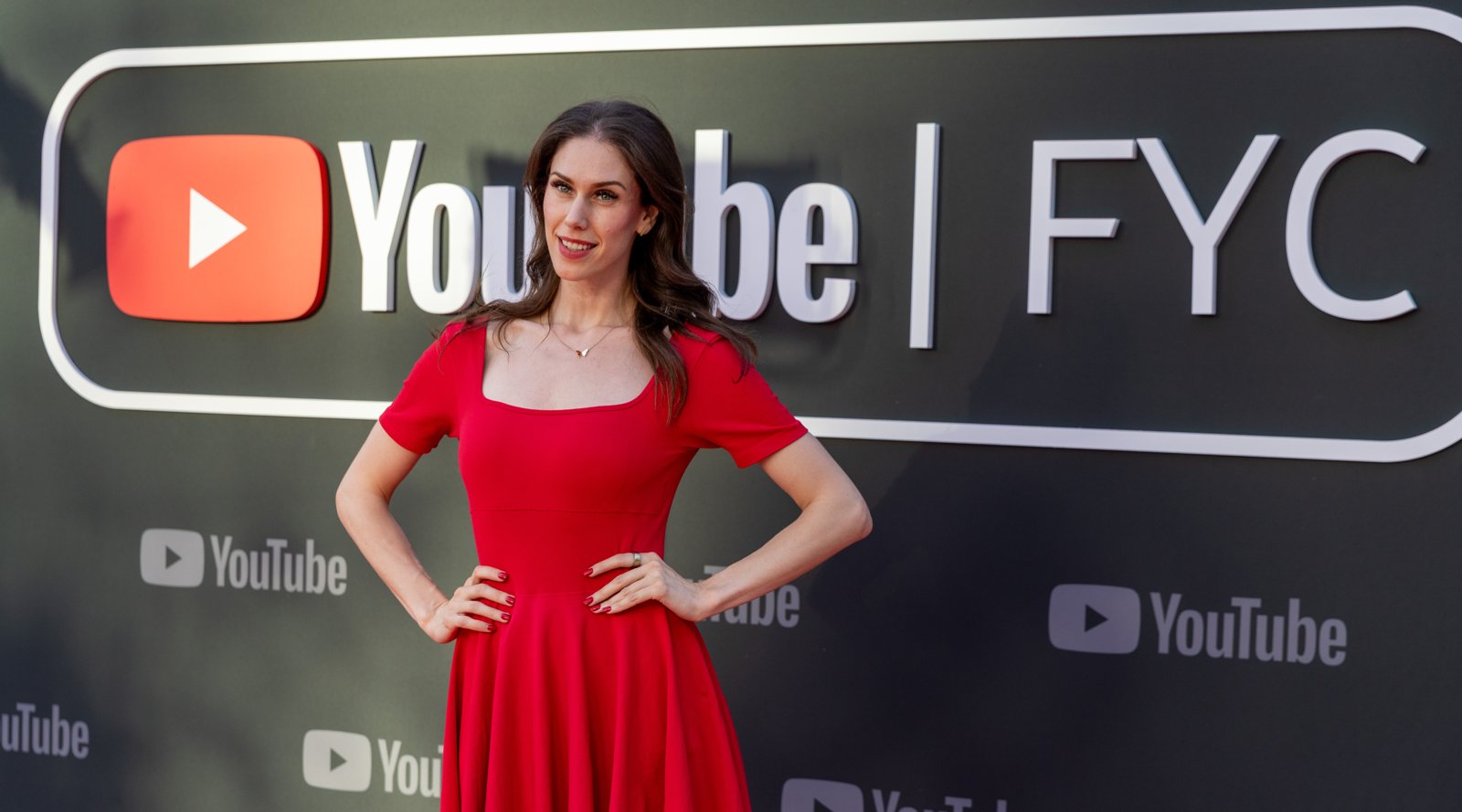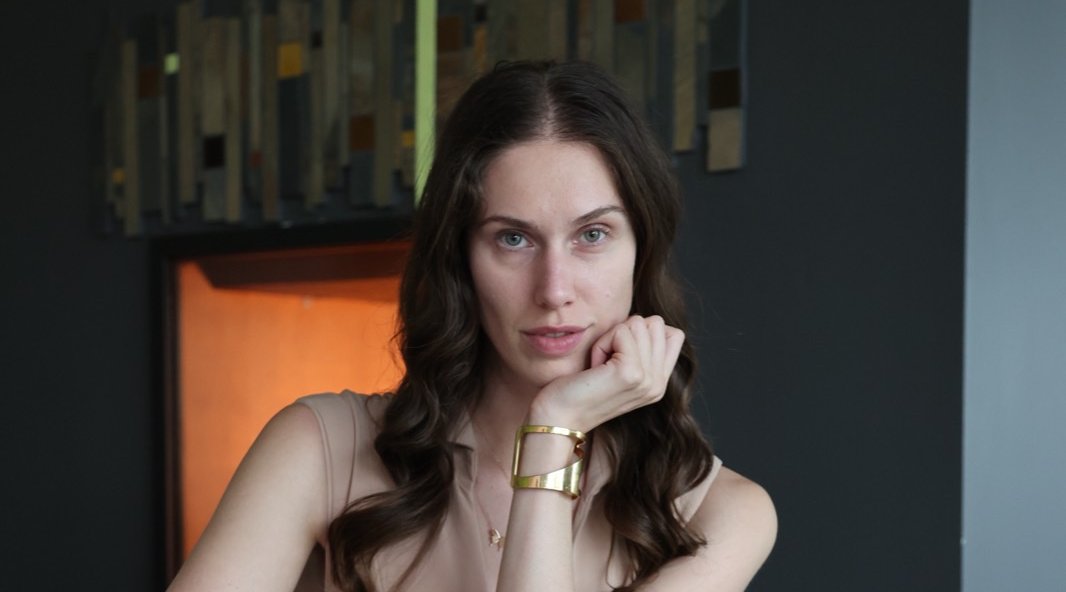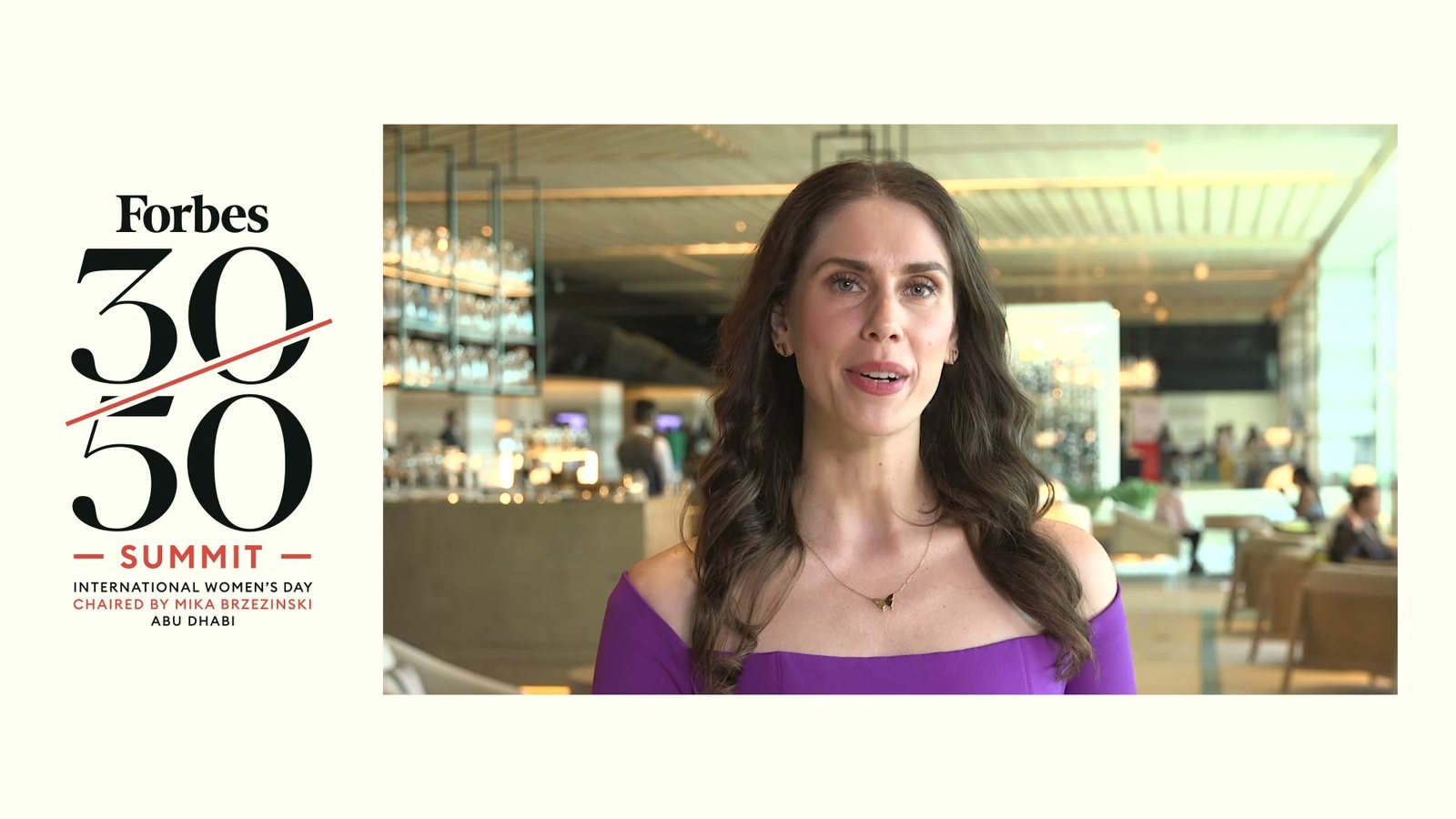
At the Forbes 30/50 Summit in Abu Dhabi, in a room full of women who run companies, I told everyone that the biggest mistake of my career was also the best one. It was showing up on the internet with no makeup.
That sounds like an inspirational line for a stage. It's also the most practical thing I know about building a beauty brand, so if you run one, read it as a strategy note and not a feel-good story.
The mistake that built the company
I was a model when it happened, and I was struggling with severe cystic acne. Posting my bare skin online ruined my modeling career. People didn't want to book someone who had pimples on their face. By every metric the industry cared about, I had just damaged the product, which at the time was me.
What actually happened was the opposite. The bare skin started a community and a conversation about loving our beauty for who we are, instead of letting a medical condition or a face decide what we're allowed to do. That conversation is now a company that has lasted more than a decade. The thing the old industry treated as a flaw turned out to be the only reason anyone trusted me at all.
Perfection is the one thing your customer can't relate to
Most beauty marketing still sells flawlessness. The retouched before-and-after, the filter, the impossible glass skin, the smiling face that has clearly never met a clogged pore. The problem is that your customer doesn't live in the after. She lives in the before, in the bad-skin week, in the bathroom mirror at 11pm. When every brand shows her perfection, the brand that shows her something real is the one she remembers.
This is the same lesson I keep coming back to from a dozen directions. I wrote about why showing beats telling in social commerce, and it's the same muscle. Real texture, real skin, an honest demonstration. Vulnerability isn't the soft option here. It's the thing that cuts through a feed full of airbrushing.
Vulnerability is not oversharing. It's specificity.
Brands hear "be vulnerable" and panic, because they think it means trauma dumping or handing the brand to whatever a creator feels like saying. It doesn't. Strategic vulnerability is specific. It's a founder admitting what the first formula got wrong. It's a creator telling you which product in the lineup she'd skip. It's showing the part of the result that's still a work in progress.
I say no to a lot of brand work, and I've explained the haul I refuse to film for exactly this reason. The honesty about what I won't do is what makes people believe me on the rare occasion I say yes. Your brand has the same lever. Every honest limitation you're willing to name buys you credibility on the claims that matter.
Why this actually converts
A community that forms around honesty buys differently than an audience that was chased down with ads. They come back. They forgive a slow shipping week. They tell their friends without being asked. They believe the next launch because the last ten messages were straight with them.
That's the unglamorous math underneath my whole story. The makeup-free post didn't go viral because it was shocking. It lasted because it was true, and truth is the only thing that compounds. It's also why I keep arguing that trusted creators outperform the biggest ones. Reach rents you attention. Trust is what turns attention into revenue you can count on next quarter.
How to put it to work this week
You don't need a personal acne story to use any of this. You need to stop hiding the human parts of your brand. A few honest moves go further than another round of polished campaign assets:
- Show at least one unretouched result for every flawless one. Let real skin into the feed on purpose.
- Let a founder or a creator say one true, slightly uncomfortable thing about the product. Specific, not staged.
- Name what your product can't do. The limitation you admit is what makes the promise believable.
- Build a community to belong to, not a funnel to fall through. People stay where they feel seen.
The summit gave me a stage, but the lesson was the same one I learned at sixteen with terrible skin and a camera. The scariest, most honest thing is usually the thing that builds the business. That's the work I do with brands now, and it starts with one honest conversation about where you're hiding.
"It's okay to be authentic, and it's okay to be vulnerable. Sometimes living in your truth and doing something that is terrifying could be the best thing for you, because it's pointing you down the direction that you need to go in order to expand your business or to expand what you're meant to do for this world."