In 2014, before anyone had a media kit, Allure handed ten beauty bloggers fifty dollars each and asked them to prove what they could do with it. No follower threshold. No engagement screenshots. Just taste, resourcefulness, and whether real people trusted them.
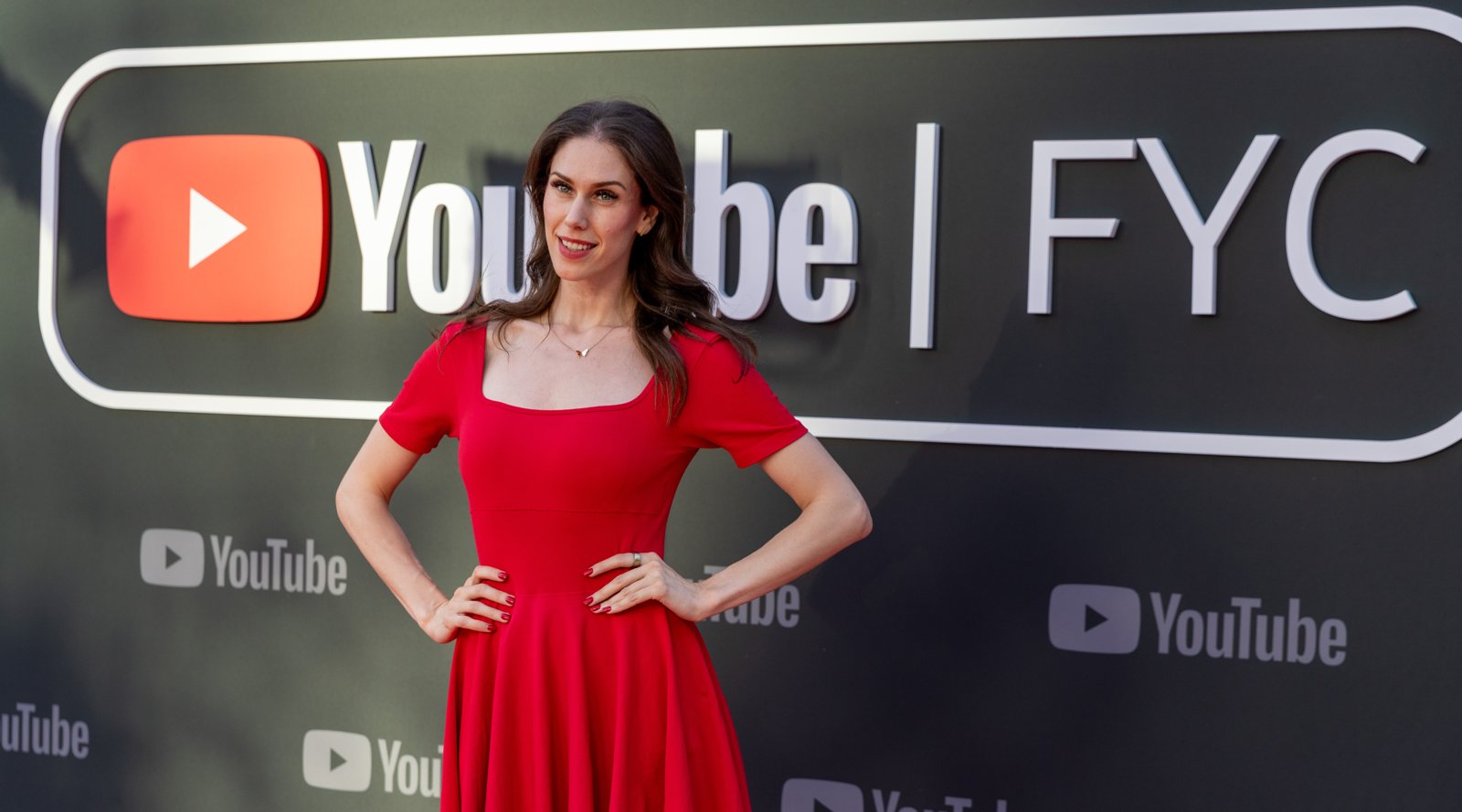
I had a front row seat. Allure asked me to guest judge that year's Beauty Blogger Awards, a bracket where ten finalists competed for the title of Beauty Blogger of the Year. Looking back, that contest got something right that a lot of brands are still getting wrong twelve years later.
The thing it measured was trust, not reach
Here is what stood out to me. The judging panel wasn't built around whoever had the biggest audience. Allure invited people it considered credible, and introduced me, kindly, as the creator of one of the most inspirational makeup tutorials they had seen. The currency was the work itself.
That matters because the metric you reward is the behavior you get. When a brand picks creators by follower count, it teaches creators to chase follower count. When the reward goes to the most useful, most honest voice, you get useful, honest content. The 2014 awards rewarded the second thing, and the creators who came out of that era with staying power were almost all teachers.
The metric you reward is the behavior you get. Pay for reach and you breed reach. Pay for trust and you breed trust.
The challenges rewarded substance
Look at how the contest was actually scored. The opening round was that fifty dollar shopping spree, and the bloggers who won attention did it with creativity, not budget. One built a stealth sleepover kit. Another assembled everything she needed for a blow dryer free blowout. The point wasn't what they could afford. It was what they could do.
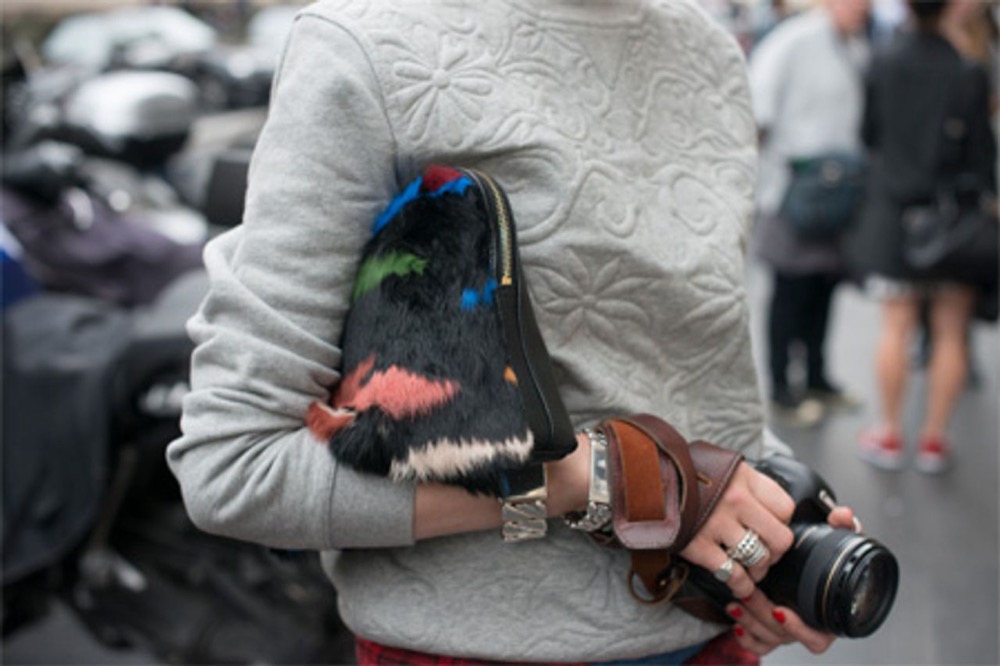
A later round asked the bloggers to simply tell us about their week in beauty. It got personal fast. There was hair cutting, lip waxing, arm hair bleaching. The winner that week walked viewers through her actual skincare routine, and guest judge Elle Fowler singled out one line: that the blogger treated her skin as her canvas, because if the skin looked good, everything else would go on well. Honesty about the unglamorous parts is what scored.
Teaching is what made any of it stick
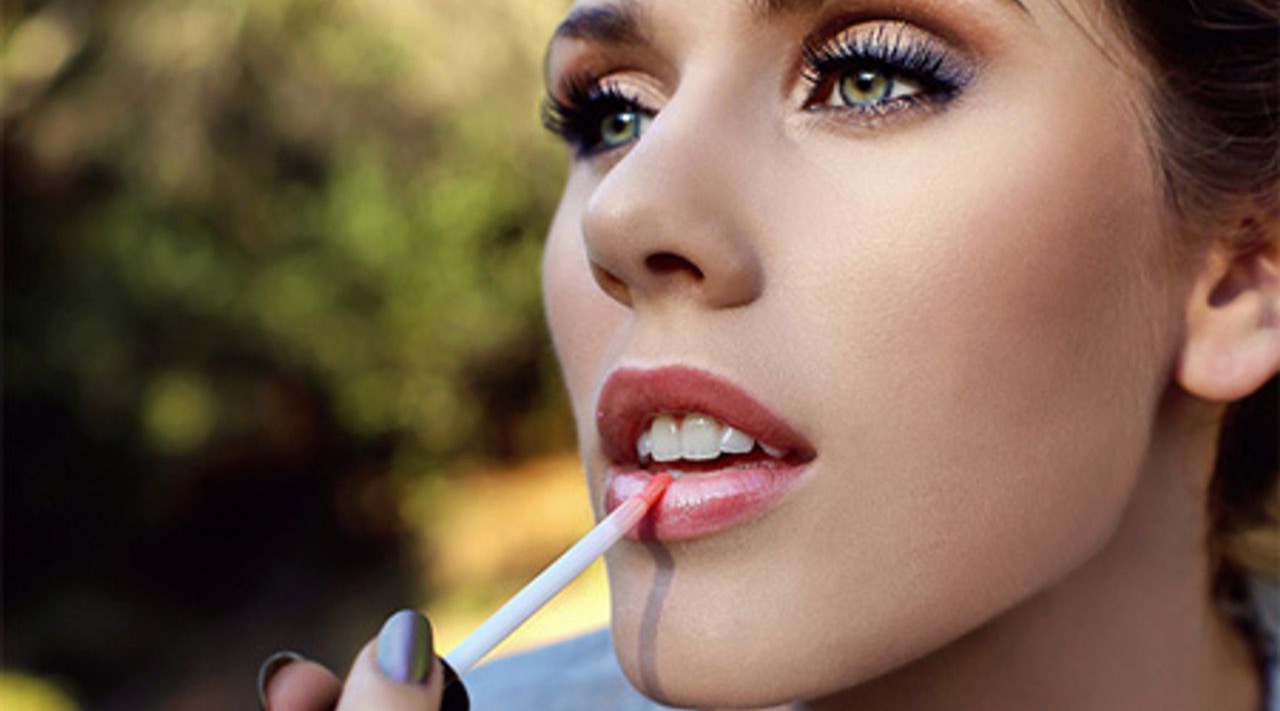
When Allure asked me for makeover tips during the contest, I didn't hand over a product list. I gave instructions people could use. Prime your face even if you skip foundation, because it blurs texture. As I put it then, it's "like a real-life Instagram filter." Trade your black mascara for blue or purple to brighten the whole eye. Start with a lip crayon if bold lipstick feels like too much.
None of that was about selling. It was about making someone better at the thing they were already trying to do. That instinct, teach first, is the same one I write about when I explain why I still refuse to film certain hauls. The audience can feel the difference between a recommendation and a transaction, and they reward the recommendation with the only thing that compounds: belief.
What your brand should take from a twelve year old contest
The tools have changed. TikTok Shop and live selling didn't exist. But the underlying physics of creator marketing have not moved an inch, and most brands still build programs that would have lost that 2014 bracket. A few corrections I give clients:
- Cast for trust, then check the reach. Reach with no trust is just rented attention, and it stops the day you stop paying. Start with who the audience actually believes, then make sure the numbers support a real partnership.
- Brief for teaching, not for mentions. The content that converts shows someone how to get a result. If your brief reads like a press release, you have already lost the part that sells.
- Reward the right behavior. If your ambassador program pays purely on posts or impressions, you are paying for volume. Tie it to the outcomes you actually want and creators will make the content that produces them.
- Measure what compounds. A returning customer who found you through a creator they trust is worth far more than a one time click, which is exactly where most influencer ROI math goes wrong.
The short version
Allure's first creator awards were judged on craft, honesty, and whether you could teach someone something. That was the right call in 2014 and it's the right call now. If you build your creator program to win on those three things instead of on a follower number, you'll end up with partners who keep selling for you long after the campaign budget runs out. Pick trust. It's the only metric that appreciates.