Twenty million dollars. That's the number L Catterton, the private equity firm backed by LVMH and Groupe Arnault, just committed to Remedy, a dermatologist developed skin care brand that didn't even exist two years ago. Cosmetics Business reported the full details of the Series A, and if you're a brand founder or an investor paying attention to this space, the round tells you something important. Not just about Remedy. About where the category is actually moving.
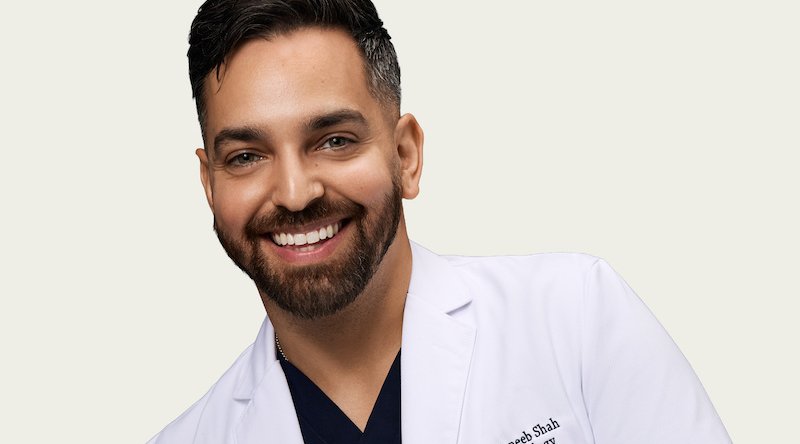
I've watched clinical skin care inch its way from the dermatologist's office into the beauty aisle for years now. When I started making acne content on YouTube, dermatologist backed products were either pharmaceutical grade and priced out of reach or watered down versions that did almost nothing. There was a real gap. Remedy's founder, Dr. Muneeb Shah, saw the same one and built a brand around filling it. That's the kind of timing that LVMH money rewards.
What the bet is actually about
L Catterton Partner Tehmina Haider described Remedy as "uniquely modernising dermatological skin care." That word, modernising, is doing real work. Dermocosmetics, the category sitting between pharmaceutical and prestige, has historically been owned by large European groups. Dr. Shah's read was that American consumers were underserved by brands willing to be both clinically credible and genuinely affordable. Simple formulas. Real ingredients. Prices that don't require a consultation to justify.
That's a sharp consumer insight. But Dr. Shah had something most brand founders don't walk in with: trust. He built it as a clinician on social media before Remedy ever existed, sharing real patient knowledge and being honest about what works. I think about my own start making acne content on YouTube, connecting with people who were, like me, being told nothing useful by the people around them. The audience came first. The product credibility followed. When Remedy launched, his community already believed him. That isn't something you can manufacture after the fact.
Existing investor Norwest doubled down, and Sonoma Brands Capital joined new. The funding goes toward clinical research, a broader product pipeline, and consumer education. That last piece is the one I'd flag. Trust built through real education is a different kind of asset than attention built through hype. It doesn't evaporate when the trend moves on. That distinction is exactly what this investment is banking on.
The channel story
Remedy launched in March 2024. By December 2025 it was in Target stores nationwide. The brand reports growth across its direct to consumer site, Amazon, and TikTok Shop simultaneously. Three completely different purchase contexts, all working inside the first two years.
This is the multi channel approach that separates brands genuinely winning in social commerce from the ones still treating each platform like a separate experiment. TikTok Shop is where discovery happens fast. Amazon captures the shopper who already knows what they want. Target is the mainstream trust signal. Running all three with real results that early is genuinely hard to do. L Catterton has been investing in consumer brands for over two decades. They don't write checks based on a narrative. The channel data had to back it up.
For any brand founder reading this: the takeaway isn't "raise a Series A." It's simpler than that. The brands earning serious investment right now built real authority before they needed the money. Dr. Shah did it as a clinician on social. The question for your brand isn't what your funding strategy looks like. It's what your trust is actually built on.