Most car ads sell you the car. Rivian spent Halloween selling you a reason to love the one already sitting in your driveway, and that is the part worth copying.
From October 9 through November 2, every Rivian on the road could pull down a Ghostbusters software update built with Sony Pictures. Update your R1 or R2 and the driver display asks if you want to "hunt some ghosts." Say yes and Trick or Treat Mode takes over the screens, plays the theme, and runs the exterior lights and sound effects, all triggered from the phone app. Parked, your passengers can play a little game called 'Mallow Mash, popping Mini Pufts against a clock. Rivian even rebuilt an R1S into a modern homage to the Ecto 1, drove it through retail stops in Venice, Austin, Miami and Meatpacking, and rolled it down the NYC Village Halloween Parade. You can see the whole Rivian Ghostbusters Halloween campaign on their site, and outlets from local LA news to InsideEVs picked it up without a cent of the cost sitting on a media plan.
That hidden surprise is what software people call an Easter egg, a small delight tucked inside a product for the people paying close enough attention to find it. The clever move is that the Easter egg lives in the thing you already bought. It turns owners into the media.
I went to two of their events, and the quiet one told the real story
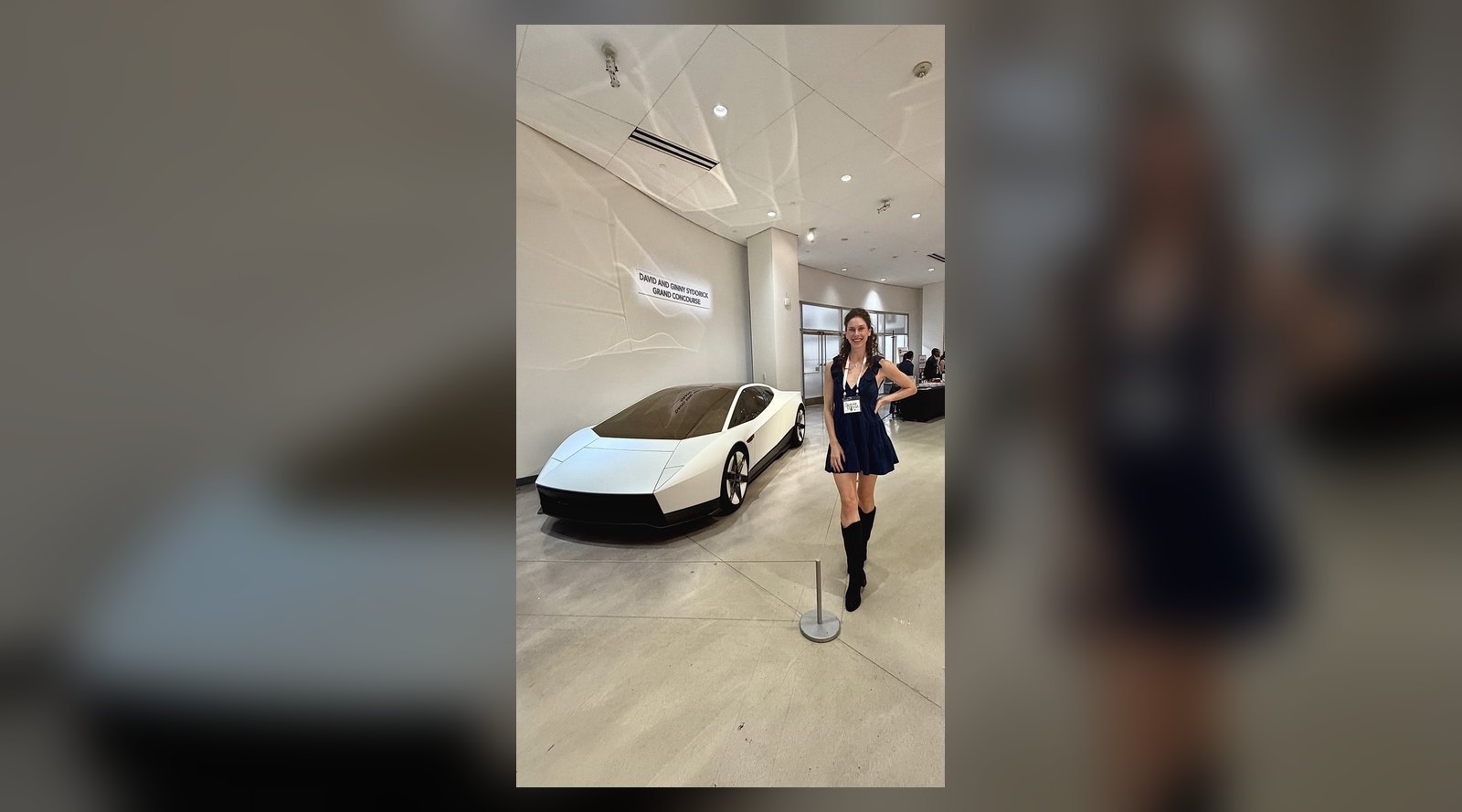
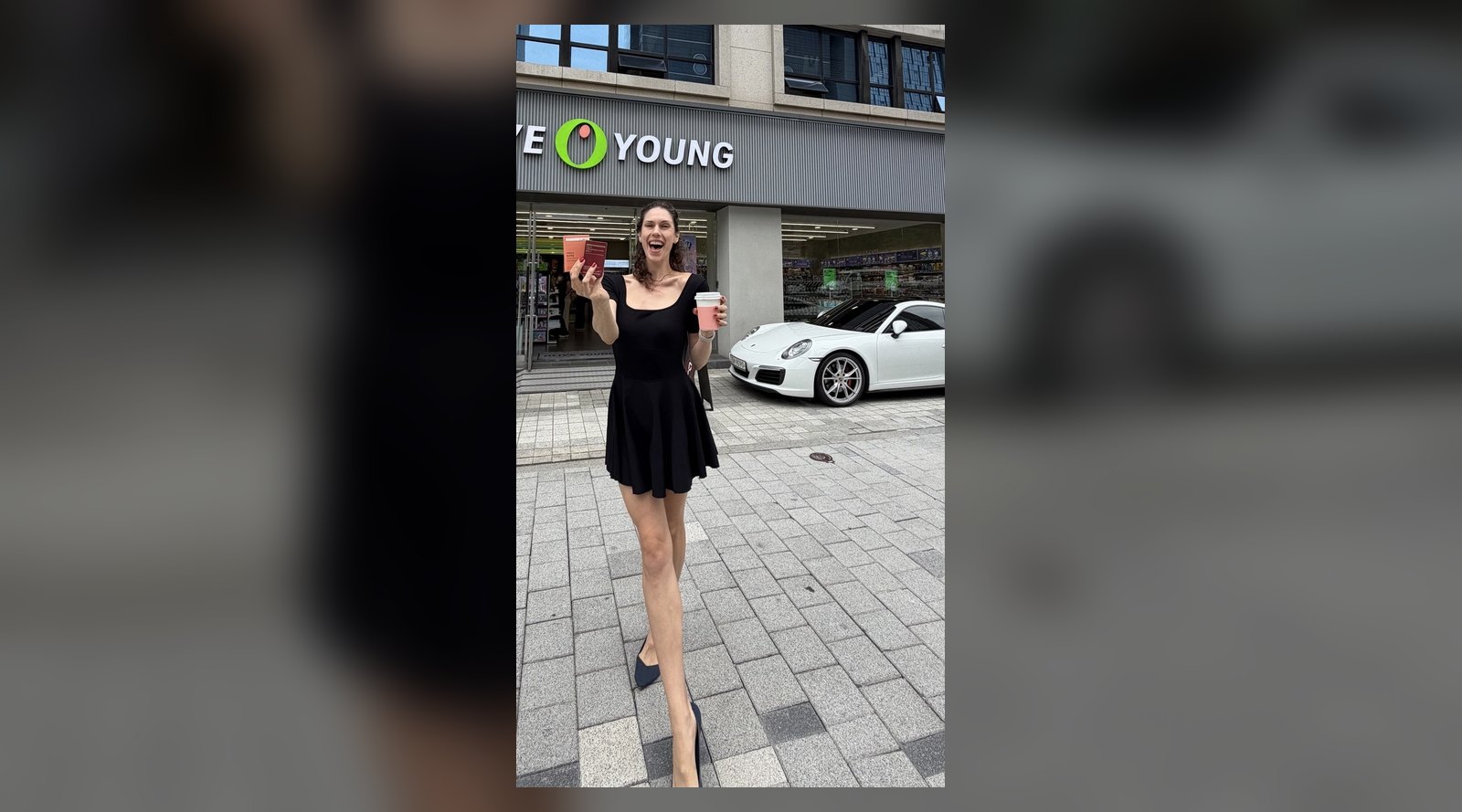
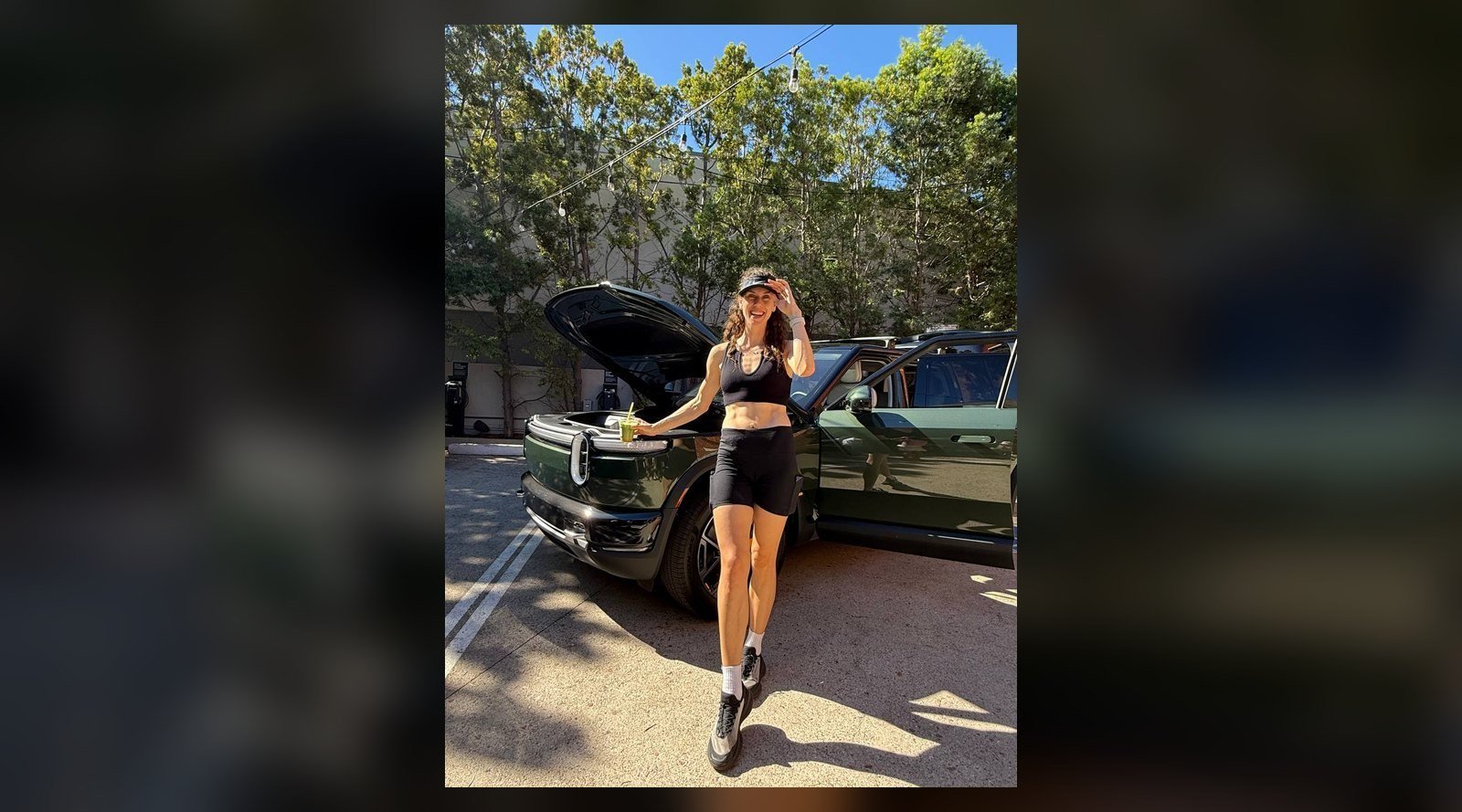
I was at the Venice activations in person. One was the Ghostbusters night. The other, a couple of mornings later, had nothing to do with Halloween at all. It was a South Asian coffee pop up called Manzil, free gulab jamun and baklava lattes, pandan matcha, mango lassi, with R2 test drives happening in the same lot. My dash read 73 degrees and just past 11, a slow warm Saturday, and the space was full of people who had zero plan to buy a truck that day.
Nobody was being sold to. That was the whole point. I have spent years watching the opposite approach win attention the ugly way, the manufactured outrage, the on purpose bad makeup, the product destroyed on camera for the clip. I wrote about why that manipulation erodes trust even while it spikes engagement. Rivian did the reverse. They gave people a warm matcha and a reason to stand in their parking lot, and the brand impression landed softer and deeper than any spot could.
What beauty and CPG brands should take from this
The lesson is not "do a stunt." It is that a product demo is almost never about the product, something I keep coming back to when I watch beauty launches lean on hype. Rivian treated the car as a canvas and the owner as the distribution channel. Your equivalent is sitting right there. The packaging that does something when it is empty. The ingredient story that makes a customer text a photo to a friend. The limited seasonal edition that gives a loyal buyer a reason to show up, not just restock.
The real takeaway for anyone marketing a beauty brand
Here is what stuck with me, standing in that parking lot with a matcha I did not pay for. Rivian spends almost nothing talking to people who already own the car, and that is exactly where most beauty brands pour the entire budget in reverse. We obsess over the new customer, the first purchase, the acquisition cost, and we treat the person who already loves us like the sale is finished. It is not. The person holding your product is the most persuasive media you will ever have, and she works for free, but only if you give her something worth showing.
Think about what that looks like on a vanity instead of a dashboard. A repurchase that arrives with a small unexpected thing inside, a note, a sample chosen for her specifically, a shade she did not know she wanted. A loyalty moment that feels like being let in on something rather than points ticking up in an app. A formula or a ritual so good that using it becomes the content, no brief required. Rivian did not ask owners to post. It built a reason to, then got out of the way. The beauty brands I see winning right now do the same thing. They stopped writing captions for their customers and started handing them the moment, then let it travel.
The parallel between how cars and beauty now meet their customers through social and in person moments is closer than it looks, and it keeps pointing back to one idea. Delight the people who already chose you. Build the surprise into the product itself, where it costs you once and pays out every time someone shows a friend. Spend less convincing strangers and more rewarding the people who already raised their hand. The budget is optional. The affection you create, and the willingness to let your customer carry the story, is not.