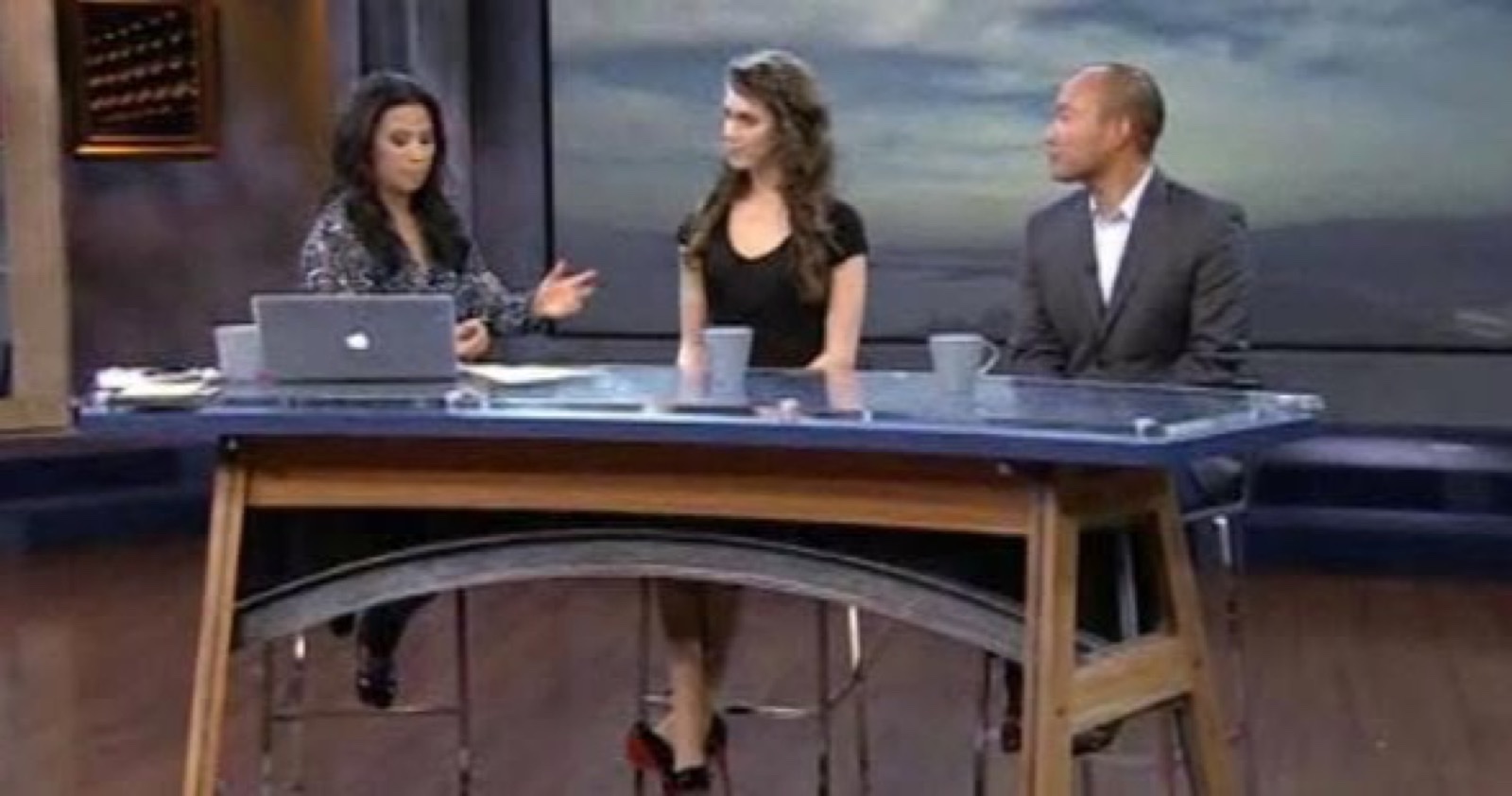
On February 21, 2012, Cassandra Bankson made one of her earliest television appearances on 7Live, the daytime show on KGO-TV, ABC7 in San Francisco, in a segment titled “How to make money on YouTube.” The premise sounded almost cheeky at the time: you could quit your job and earn a real living by posting videos.
In 2012, that idea wasn’t obvious. It was close to absurd to most people watching.
What “making money on YouTube” actually meant in 2012
To understand why the segment was bold, you have to remember how small the whole thing still was.
That year YouTube was serving about 4 billion video views a day, with roughly 60 hours of video uploaded every single minute (TechCrunch, January 2012). By later in 2012 that upload rate had climbed to about 72 hours per minute (Kinsta). The Partner Program, the system that lets an ordinary person collect a share of ad revenue, was only about four years old and had just started opening up to regular uploaders.
The words we use today barely existed. Nobody said “creator economy.” “Influencer” wasn’t a job title you put on a tax form. So when Cassandra went on ABC7 and explained, on live television, that this was a real path to real income, she wasn’t reporting on a trend. She was calling one early.
The same idea in 2026
Here’s what that same conversation looks like today.
The creator economy was valued at roughly $250 billion in 2024 and is expected to roughly double toward $480 to $500 billion by 2027 (The Wrap). More than 200 million people worldwide now identify as creators in some form (Uscreen). YouTube alone has paid creators, artists, and media companies over $100 billion in recent years (ElectroIQ), and the platform now reaches about 2.7 billion logged-in users every month (SQ Magazine).
The job that needed air quotes in 2012 now has agencies, contracts, and college courses built around it. It’s the same shift that pulls serious money in today, from talent agencies investing hundreds of millions into creator businesses. What was a punchline became an industry in a little over a decade.
Why this matters beyond the trivia
It’s easy to treat those numbers as a fun “look how things changed” story. The more useful takeaway is about timing.
Cassandra didn’t get the megaphone in 2012 because the creator economy was big. She got it because she understood it before it was big, and she could explain it clearly to people who hadn’t caught up yet. That’s the actual skill. Not predicting the future, but reading the present a beat earlier than the room and translating it into plain language. It’s the same instinct behind what beauty’s first creator awards still teach brands: the people worth betting on are the ones who earn trust before the metrics catch up.
In 2012, the bold claim was you can build a career on YouTube. It sounded ridiculous. Then it just became Tuesday.
The question worth sitting with isn’t whether Cassandra was right. The numbers settled that. It’s this: what’s the equivalent claim today that still makes people smile politely, and who’s brave enough to say it on live TV?