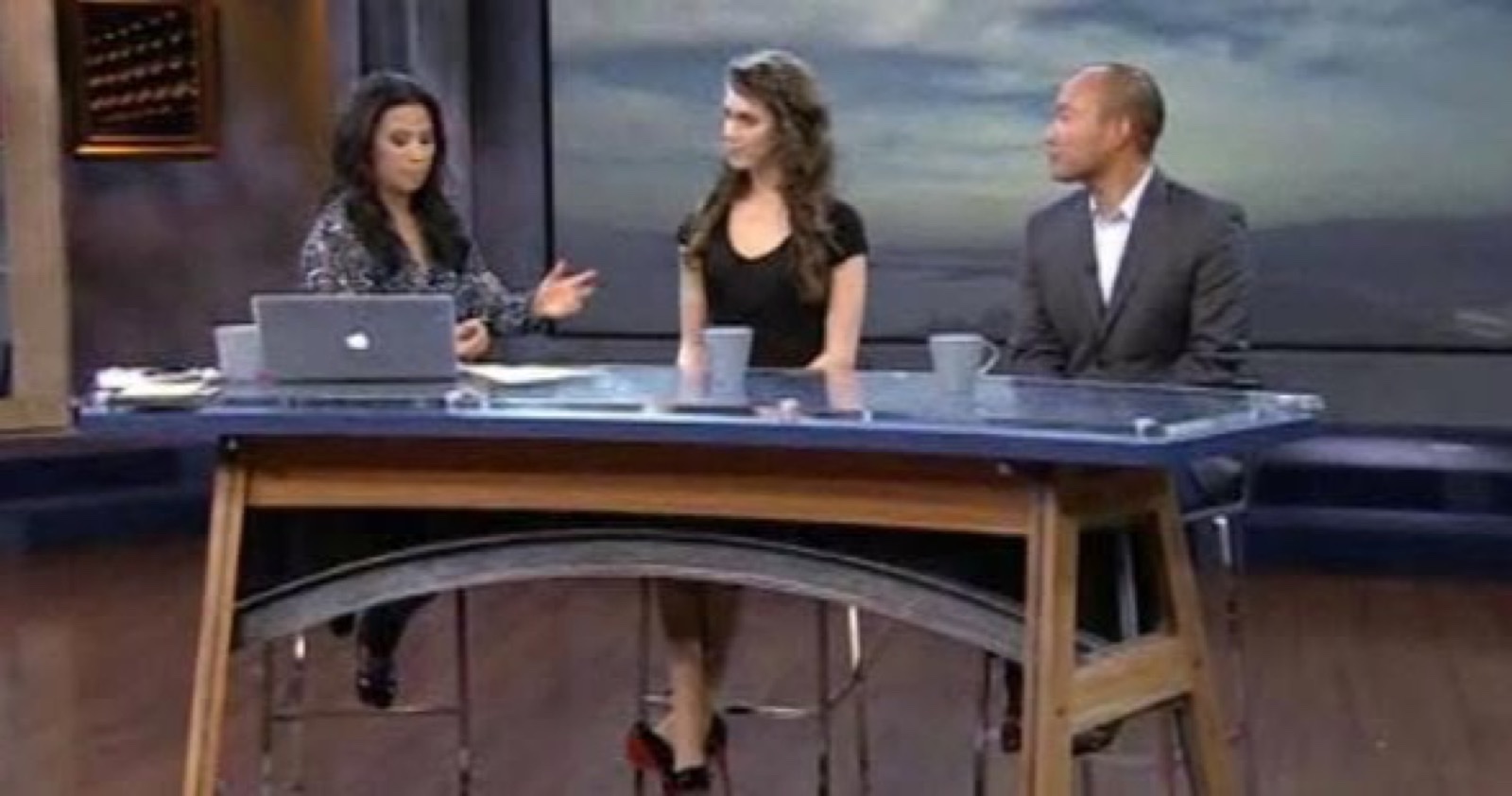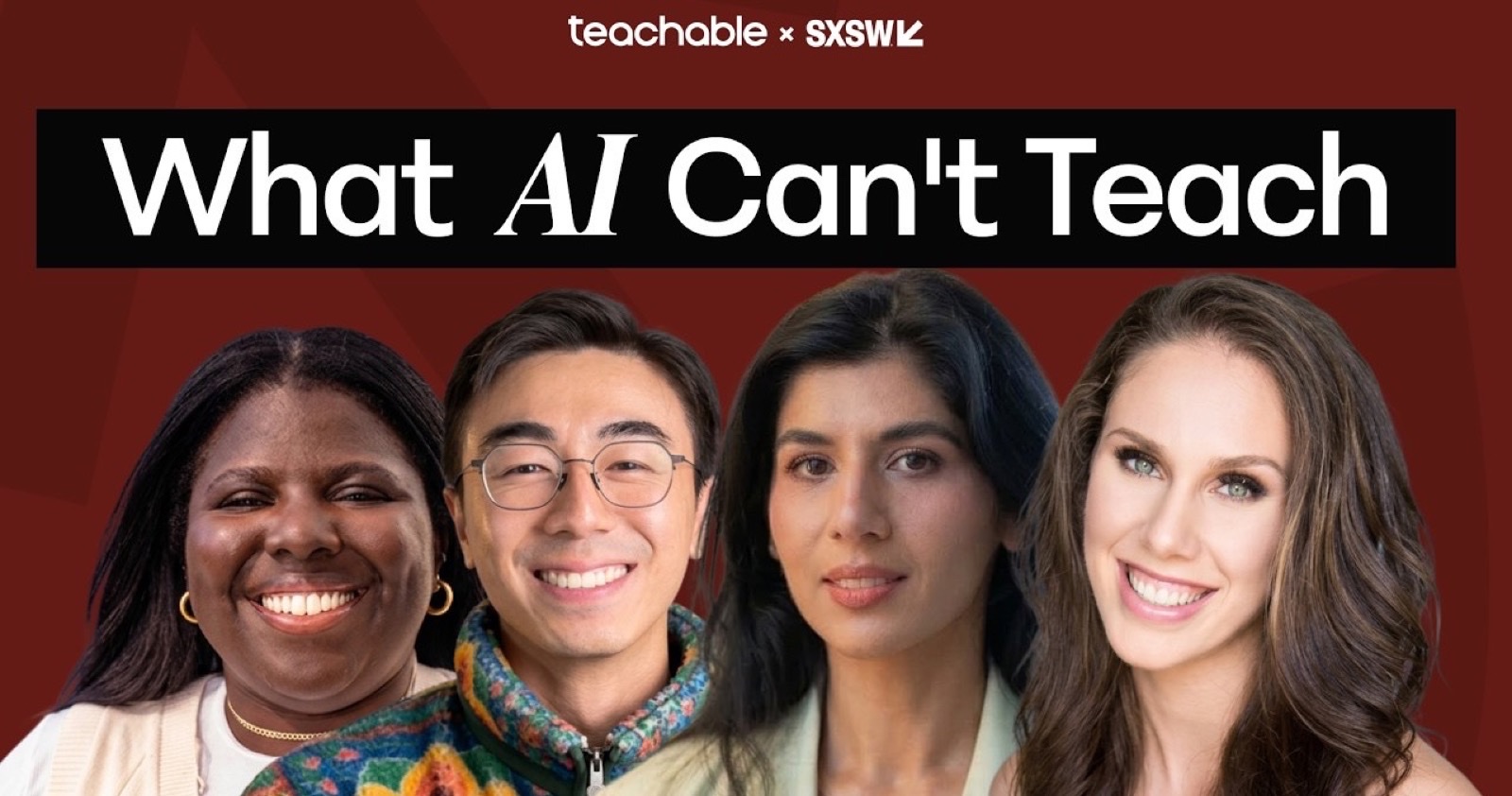
In March I flew to Austin for SXSW and sat on a Teachable panel called How Creators Teach: Turning Knowledge Into Income and Community, which Teachable packaged as “What AI Can’t Teach.” More than sixty people packed the room on the Creator Economy track. I shared the stage with Sundas Khalid, an analytics lead at Google, and Eugene Yao, who founded Dopamine Mastery, in a conversation moderated by Teachable’s Olivia Owens.
I want to translate that hour into something useful for the brands I work with, because almost everything we discussed about creators selling courses applies directly to how a beauty brand earns and keeps a customer. The theme of the whole week, as Teachable framed it, was that human presence is becoming scarce, and scarce things become premium. That is not a soft idea. It is a budget decision.
The numbers that should reframe your spend
Teachable put a research card on every seat, and a few figures stopped the room. Creators who sell to the audience they already have convert at four times the average rate. Repeat buyers can lift lifetime value by more than 80 percent. And 92 percent of students said they were likely to buy from the same creator again, with the number one reason they don’t being that there was no clear next step. The relationship just fizzled out.
Sit with that last one, because it is where most beauty brands quietly lose money. You spend to acquire a customer through a creator, the campaign ends, and there is no obvious second thing to buy or reason to come back. You funded reach and then walked away from the part that actually compounds. The most durable creators in that room were not the ones with the biggest audience. They were the ones who built a real path from a first hello to a long relationship. Your brand is supposed to do the same thing, and the math says retention is where the margin lives. It is the same gap I see when brands measure influencer ROI by first clicks instead of repeat customers.
Trust is the product. The content is just how you earn it.
I started on YouTube in 2008, crying on my parents’ living room floor, filming videos about how I covered my acne. Monetization didn’t click for me until about eight years in. My audience grew with me, and as I studied aesthetics and medical science, I became an authority to them slowly, not overnight. Nobody trusts a stranger on day one, and no amount of ad spend buys what that kind of time builds.
On stage I made the case that clinical information alone does not stick. If I tell you eczema is an inflammatory skin condition treated with diluted bleach baths, you forget it by lunch. If I tell you about a two year old named Sammy who itched so badly she couldn’t sit through daycare until her mom started those baths and her skin finally calmed down, you remember it for good. Same science, completely different retention. As I told the room, people remember what you teach, but they remember how you make them feel.
People remember what you teach, but they remember how you make them feel.
For a brand, that means your product claims are not the asset. The story a trusted human wraps around them is. This is the same lesson I keep returning to in what beauty’s first creator awards still teach brands: cast for trust first, then check the reach.
Decide where AI ends and your brand begins
Of course the conversation turned to AI. I use it constantly. I have built agents and trained tools on medical textbooks, and I still have to fact check everything, because these models will hand you sources that don’t exist. AI is genuinely good at organizing a calendar and clearing busywork. It is not good at being the person you trust with your skin.
Here is how I put it on stage. How would you feel reporting to a boss that is an algorithm in a computer? How would you feel dating someone and then finding out they were just very well spoken AI? There is something to be said about the human experience, and in trades, in nursing, in aesthetics, that human touch is not going away. The data backed it up. Teachable found that only 4 percent of students are replacing paid courses with AI entirely, and that group is almost all daily AI users. The more synthetic everything looks, the more a real human becomes the premium.
So the strategic move for a beauty brand is not to out-automate your competitors. It is to be clear about where the human stays. My co-panelist Sundas said she now leaves the bloopers in her videos on purpose, so people know a real person made them. That instinct is the whole game. Polish is cheap now. Proof that a human stands behind the work is what people will pay for.
Build for your customer, not for yourself
The most common reason a brand or a creator stalls is that they build for themselves. They obsess over production and wait for perfect. As I said in Austin, if you went back to the 1920s and asked commuters what they wanted, they would ask for faster horses. They could not picture the car. Your job is to see past what your customer can articulate and ask what they actually need.
And then ship it before it is perfect. Nobody likes how they sound on camera. Everybody is checking their hair. The flaws you obsess over are the ones your audience never notices, and the small mistakes are often the thing that makes you feel human and trustworthy. So survey your real customers, learn what they have actually bought and what they would pay, and then sit down, get over yourself, and put the thing out. Done beats perfect, and your first customers will tell you exactly what to fix.
Most problems are the same. They’re just wrapped differently.
Someone asked how to keep content evergreen when everything moves so fast. My answer was that most problems are the same. They are just wrapped differently. Acne happens to almost everyone. So does insecurity, and the fear of being left behind. The skill is taking an old, real human need and packaging it so it finally lands for the person in front of you today.
The last thread tied it together. People are funneling into private communities, the ones behind a password, because they want to belong to something. That sense of belonging is what a course really sells, and it is what a beauty brand sells too when it does the job right. Not a transaction, a place to be part of. The brands that win the next few years will be the ones that treat their customers like a community they are accountable to, not an audience they rent.
That is the version of this conversation I bring to a keynote and to the brands I advise: specific, a little contrarian, and built to be used on Monday. You can read the full SXSW session recap, with the verbatim quotes, on my speaking site. And if your team is trying to figure out where the human element has to stay as everything else automates, that is exactly the work I love doing.